
Author /
Suzelle Murcia
Mini-Biography
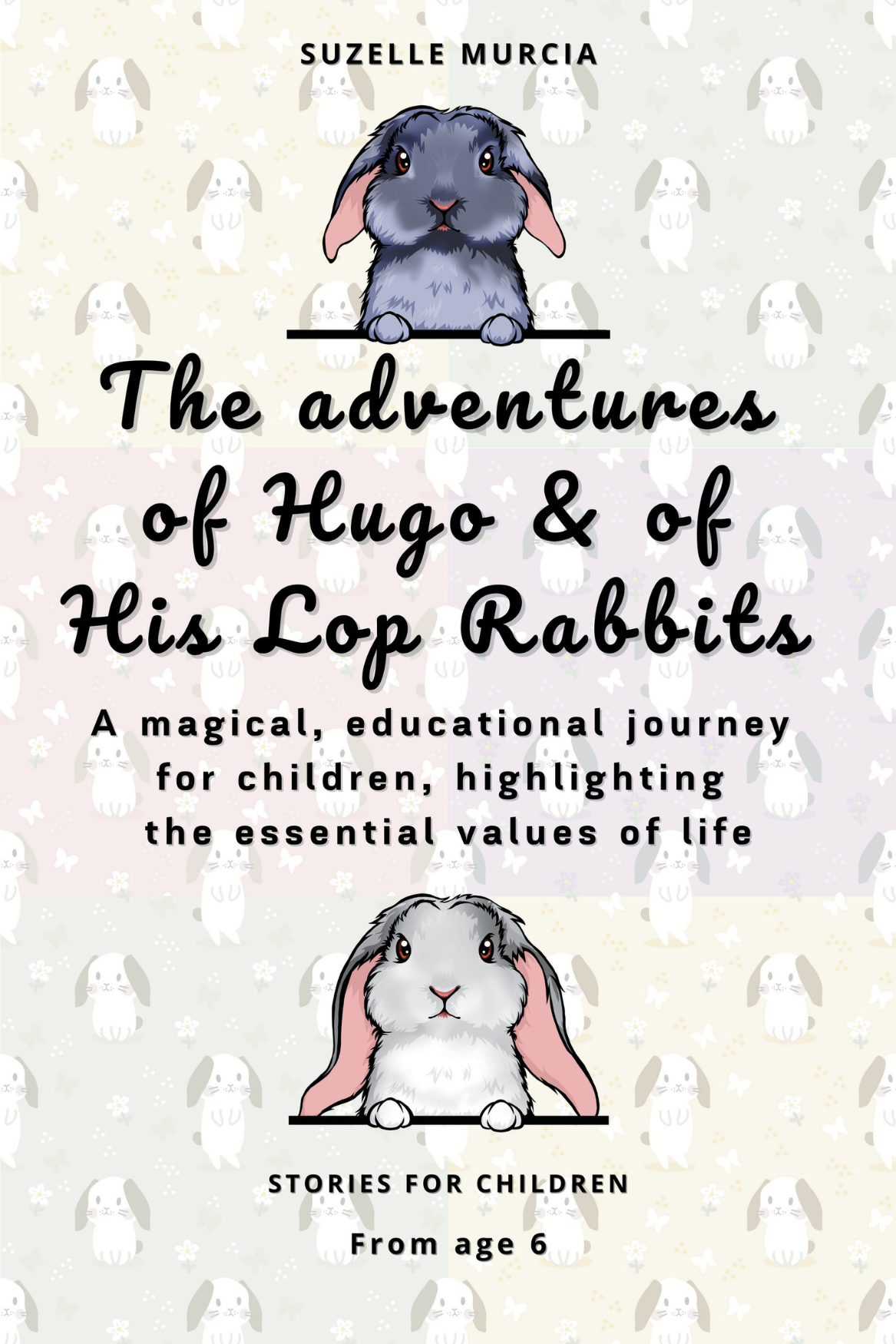
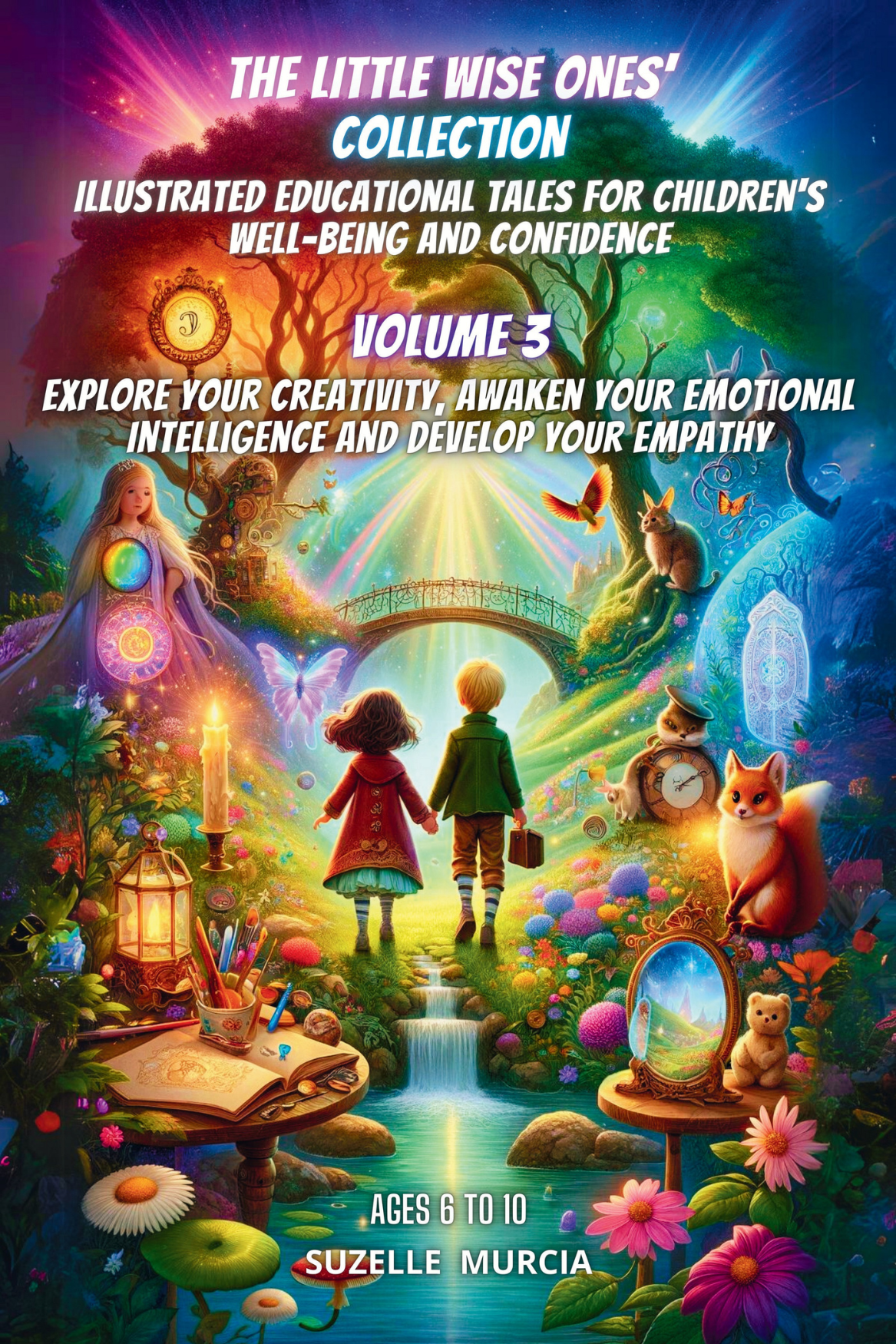
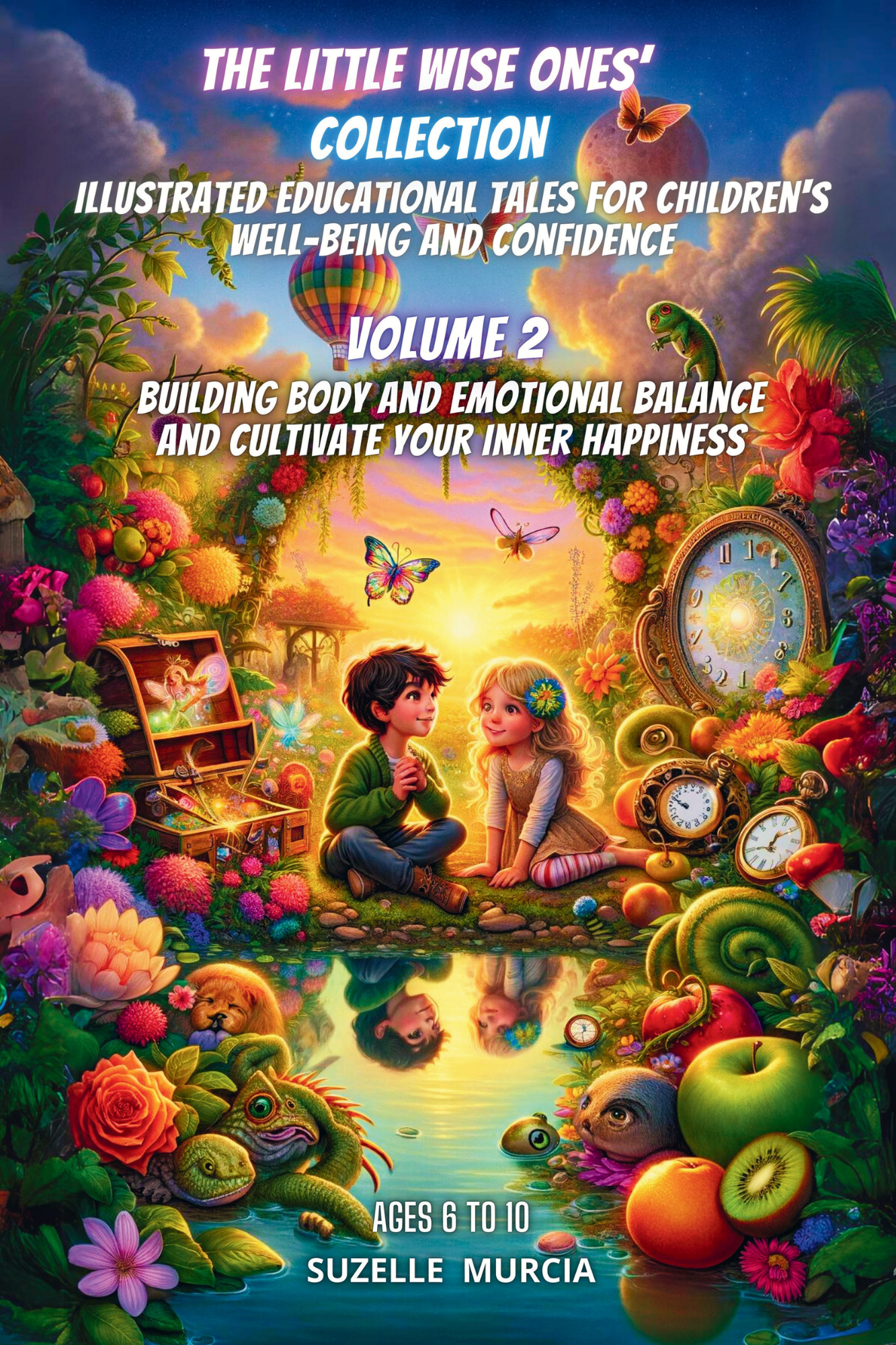
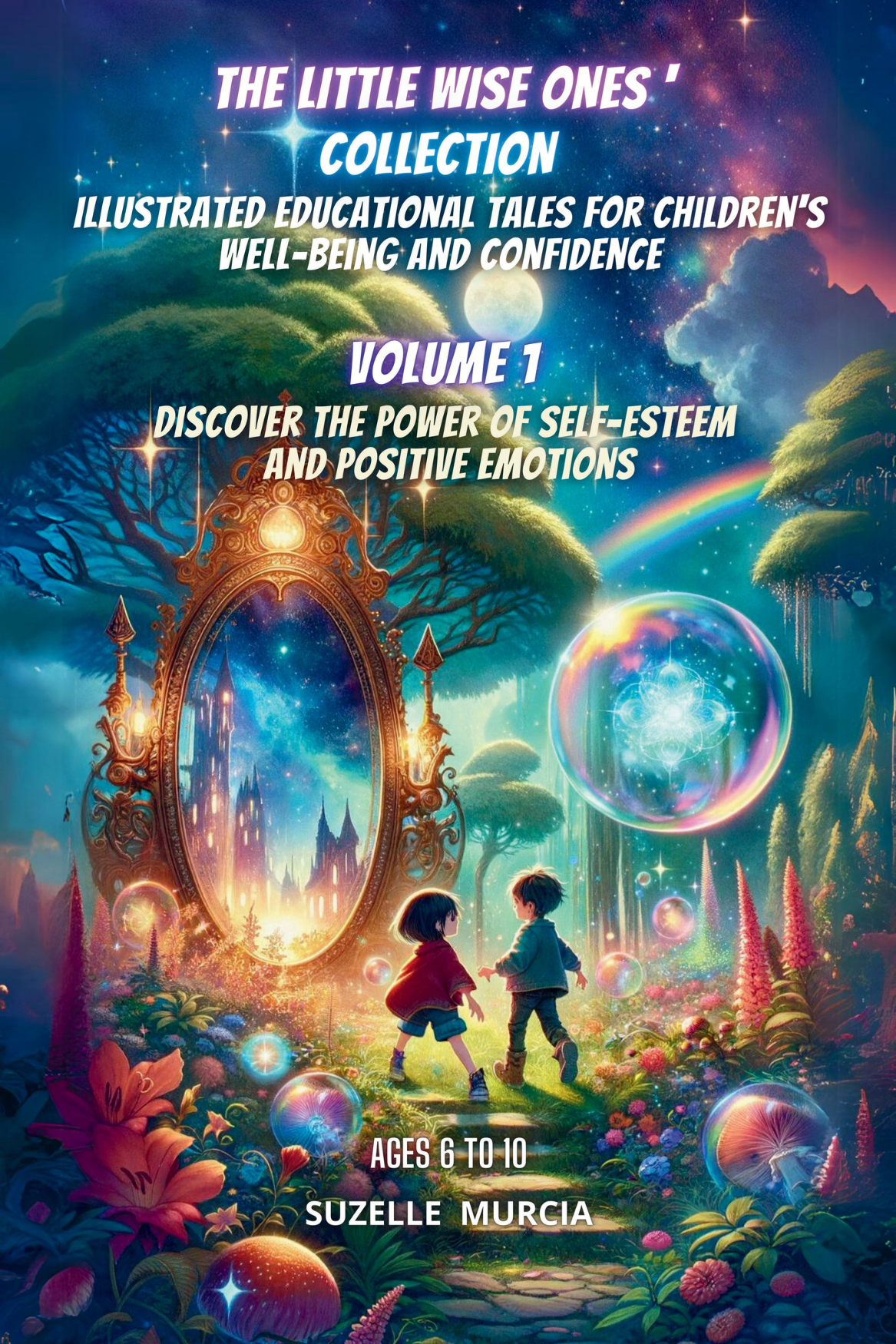
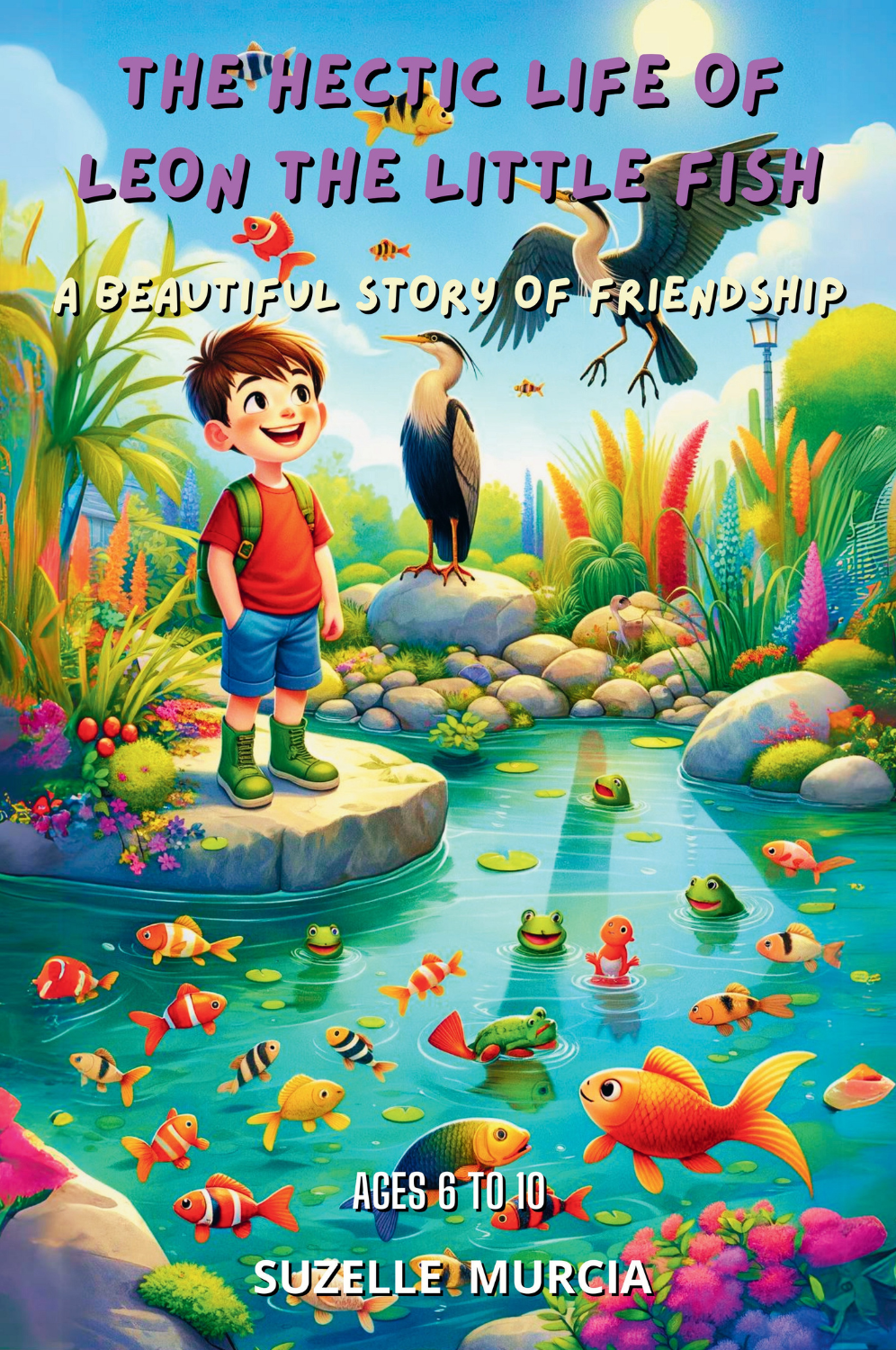
Suzelle Murcia draws on her background as a child and adolescent psychologist to write stories that explore what we hide, what we feel, and what we become—at every age. Long passionate about personal development and sophrology, she first chose educational storytelling for young readers, crafting gentle, didactic tales that help children build self-confidence, emotional balance, and empathy.
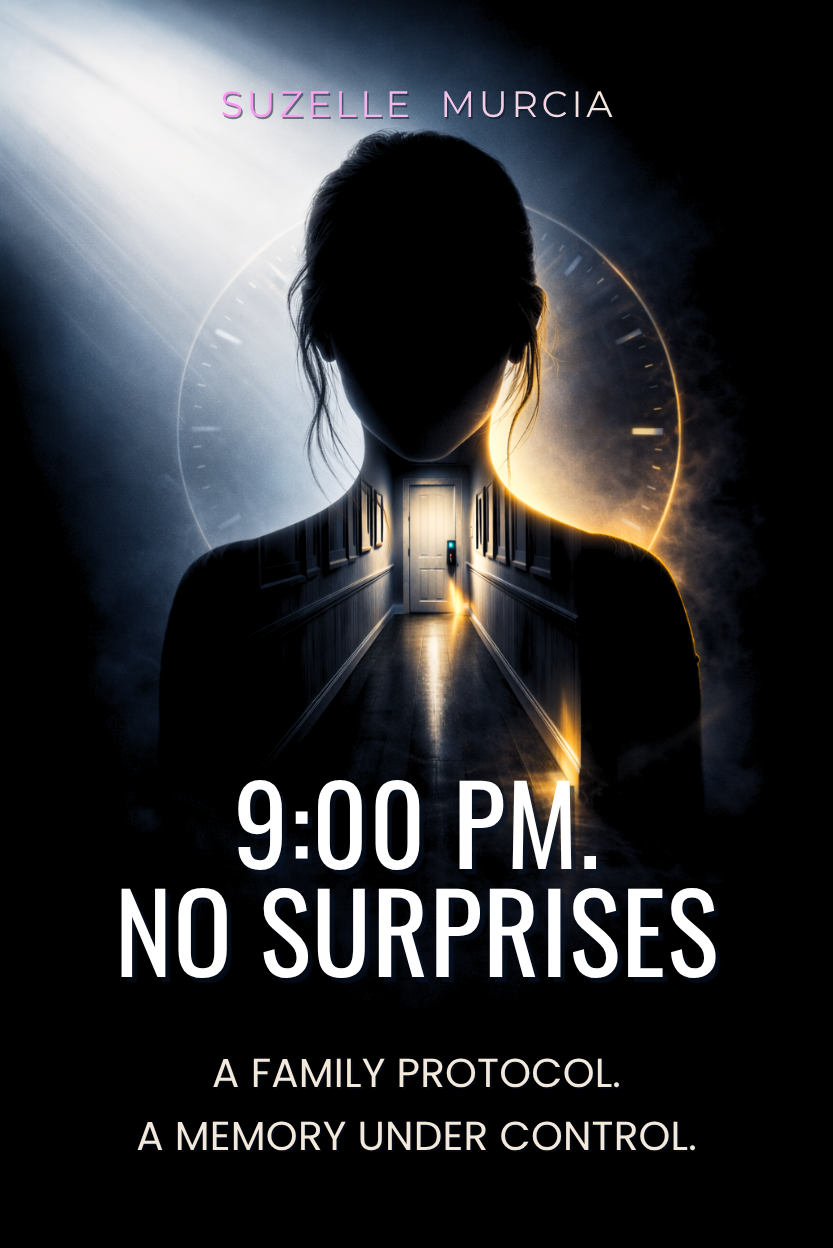
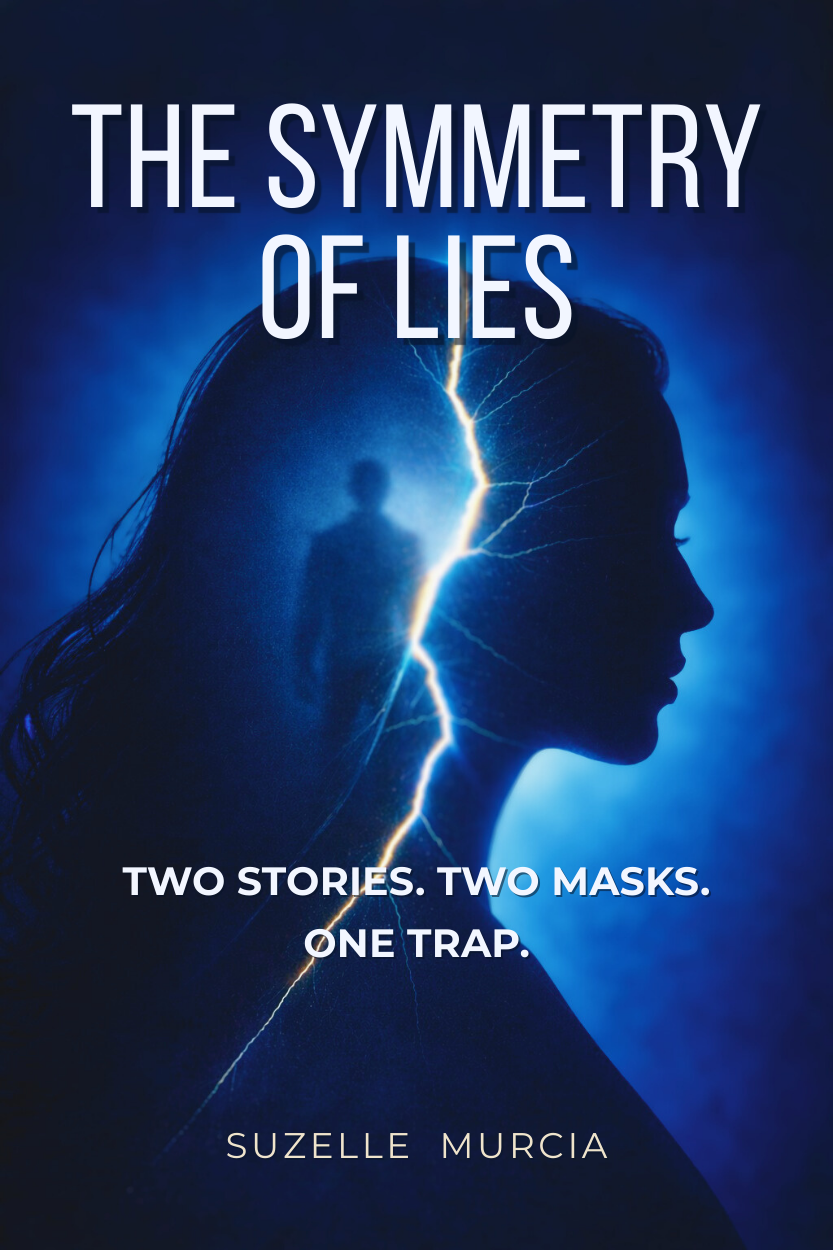
Today, Suzelle extends the same psychological precision to adult fiction, writing psychological thrillers and domestic thrillers where appearances are polished, words are weaponized, and intimacy becomes a battleground. She is fascinated by the quiet mechanics of influence—how a sentence can tilt reality, how love can be confused with control, how doubt can be installed like a program.
Whether she writes for children or adults, her work shares a constant: a deep respect for inner life, and a belief that stories can illuminate what we struggle to name.
Suzelle often uses meditation and sophrology before writing, to listen for the emotional ‘truth’ of a scene—especially the unspoken part.

Interview
Suzelle, as a child psychologist, how does your profession influence the themes you tackle in your stories?
My clinical work has taught me to listen beyond what is said—to the hesitations, the contradictions, the protective stories we tell ourselves. For children, that becomes a clear, reassuring narrative that offers emotional tools. For adults, it becomes tension: the gap between what a character shows and what they’re actually living inside.
What is the main objective you seek to achieve through your writing for young readers?
To plant seeds of stability and confidence. I want children to feel understood, and to discover simple ways to handle big emotions—fear, anger, shame, jealousy—without being overwhelmed by them.
You now write psychological and domestic thrillers as well. What draws you to this genre?
Because the most frightening places are often the most ordinary ones: a kitchen, a bedroom, a text message thread. Domestic thrillers allow me to explore how power can take subtle forms—how affection can become leverage, how reality can be bent through repetition, charm, and doubt. It’s a genre where psychology isn’t decoration; it’s the engine.
What is your “value add” as an author in psychological/domestic suspense?
I’m interested in the micro-moments: the phrase that seems harmless but leaves a bruise, the silence that shifts a relationship, the small concession that becomes a trap. My goal is to write tension that feels intimate and plausible—where the reader thinks, This could happen. It already happens. And then to make the emotional truth impossible to ignore.
How does LGJL Publishing's illustration of your books contribute to the mission of your books?
Illustrations are a bridge between words and imagination, especially for children. LGJL Publishing has a talent for capturing the emotional core of a scene and translating it into imagery that invites young readers in—making the message not only understandable, but memorable.
What are your favorite books and why?
“The Little Prince” by Antoine de Saint-Exupéry
This book marked my childhood and sparked my interest in the life lessons hidden in children’s stories.
“Sophrologie pratique: A la portée de tous et ses applications familiales” by Dr. Patrick-André Chéné
This guide gave me concrete tools to integrate sophrology into my educational writing.
“The Prophet” by Khalil Gibran
Gibran has influenced my vision of personal development and spirituality.
“Gone Girl” by Gillian Flynn
For the razor-sharp exploration of narrative control, perception, and the stories a couple manufactures.
“The Girl on the Train” by Paula Hawkins
For its intimate unease and the way memory, vulnerability, and suspicion intertwine in the everyday.
 English
  Français
  Español